Understanding IBD in Dogs and Cats
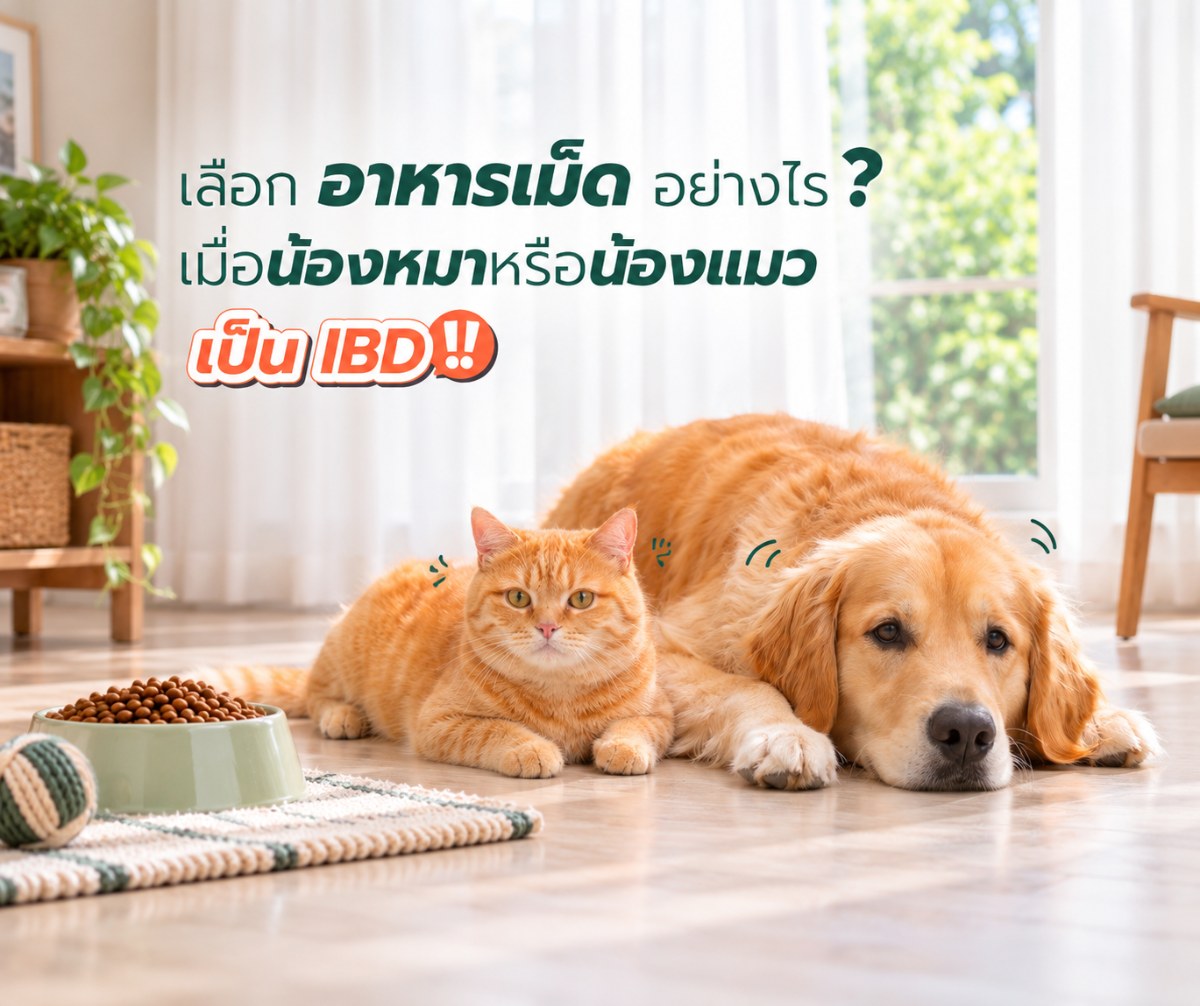
If your dog or cat has long-lasting diarrhea, vomits often, loses weight, or has abnormal stools that go on for weeks, many pet parents may think it is just an ordinary tummy problem. In fact, these signs may point to IBD (Inflammatory Bowel Disease), a chronic inflammation of the gut. It is one of the most common digestive diseases in both dogs and cats.
Understanding this disease, and choosing the right dry dog food and dry cat food, is an important part of helping your pet enjoy a better quality of life in the long run.
What is IBD?
IBD (Inflammatory Bowel Disease) is a condition in which the lining of the digestive tract stays inflamed over time. As a result, digestion and nutrient absorption do not work as well as they should. Today, vets often group IBD under “Chronic Enteropathy”, a long-term inflammatory disease of the gut that may be linked to diet, the immune system, or an imbalance of gut bacteria. It can affect dogs and cats of any breed, especially adult and senior pets.
What causes IBD in dogs and cats?
The exact cause is still not 100% clear, but several factors are believed to play a part:
1. Immune system problems The body overreacts to food or to bacteria in the gut, which leads to ongoing inflammation.
2. Gut bacteria imbalance (Gut Microbiome) When the good bacteria in the gut decrease, the digestive system may become weaker and more easily inflamed.
3. Food allergies or sensitivity to certain proteins Some pets may be sensitive to certain ingredients or protein sources, which can inflame the gut when they keep eating that food.
4. Genetics Some breeds may be more at risk of chronic digestive disease than others.
5. Environment and nutrition Food that is hard to digest, low-quality ingredients, or lots of additives may put extra strain on the digestive system of pets that are especially sensitive.
IBD signs pet parents should watch for
Common signs include:
- Chronic vomiting
- Diarrhea lasting more than 3 weeks
- Loose stools that come and go
- Weight loss
- Poor appetite
- Bloating
- Mucus or blood in the stool
- A dull coat
- Tiredness
If these signs keep going, take your pet to the vet for a thorough diagnosis. They can look like other diseases, such as worms, gut infections, or digestive cancer.
How IBD is diagnosed
Vets may use a combination of methods, such as:
- Physical exam
- Blood tests
- Stool tests
- Abdominal ultrasound
- Checking how your pet responds to a special diet
- Endoscopy and biopsy in some cases
Because other causes must be ruled out first, diagnosing IBD can take time and careful testing.
How vets care for IBD
Care depends on how severe the signs are and what is behind them. It usually includes:
Diet changes are at the heart of care. The Merck Veterinary Manual notes that diet change settles the signs in more than half of cases, usually starting with a trial of a novel protein your pet has never eaten or a hydrolyzed protein diet. Vets often recommend food that:
- Is easy to digest
- Has high-quality protein
- Reduces allergens
- Has the right amount of fiber
- Supports a healthy balance of gut bacteria
Prebiotics and probiotics may be considered by your vet. They are generally well tolerated, but evidence that they help in this disease is still limited.
Medication Some pets may need:
- Anti-inflammatory medicine
- Medicine that calms an overactive immune response
- Medicine to control diarrhea or vomiting
All of this must be done under close veterinary supervision.
How to choose dry food when your dog or cat has IBD
One of the biggest factors in the quality of life of a pet with IBD is choosing the right dry dog food and dry cat food. Here is what to look for:
Choose food with high-quality protein Protein that is easy to digest and well absorbed helps reduce the workload on the digestive system.
Choose kibble made with real fresh meat Food that uses kibble made with real fresh meat as the main ingredient should be a meat your pet has not reacted to before, because for IBD vets often trial a novel protein your pet has never eaten, or a hydrolyzed protein diet.
Look for prebiotics and probiotics Gut bacteria are linked to chronic gut disease, but evidence that probiotics help in this disease is still limited, so ask your vet first.
Avoid unnecessary additives such as artificial colors and flavors, which your pet does not need for good health.
Choose holistic-grade kibble. Holistic-grade kibble is a term makers use for recipes designed with whole-body health in mind, but it is not an official grade set by any authority, so check that the label says complete and balanced and ask your vet whether it suits your pet.
Deserve dry food for everyday meals
If you are looking for high-quality dry food for your dog or cat, choose a recipe that clearly lists its ingredients and nutritional values, and talk to your vet before changing food, especially if your pet has digestive problems.
Deserve Holistic Grain Free Dog & Cat Food for adult dogs and cats of all breeds
🥩 Real Fresh Meat as 1st Ingredient Real fresh deboned meat is the No. 1 ingredient, for quality protein, with no animal by-products.
🦠 Pre & Probiotic Synergy Contains prebiotics and probiotics.
🫐 Superfood Blend Contains fruits and vegetables.
✅ No Added Salt
✅ No artificial flavors or colors
✅ For adult dogs and cats of all breeds
✅ Formulated following AAFCO guidelines, with a pet food registration number
Deserve food is for everyday meals. It is not a medicine and cannot replace your vet’s care. If your pet has IBD or digestive problems, let your vet recommend the right food.

IBD, or chronic inflammatory bowel disease, in dogs and cats needs long-term care, both your vet’s care and the right nutrition management. Choosing high-quality dry dog food, dry cat food, holistic-grade kibble or kibble made with real fresh meat that your vet agrees suits your pet, together with close care from your vet, can help your dog or cat enjoy a better quality of life.
Deserve dry cat food
🍗 Grain Free Turkey
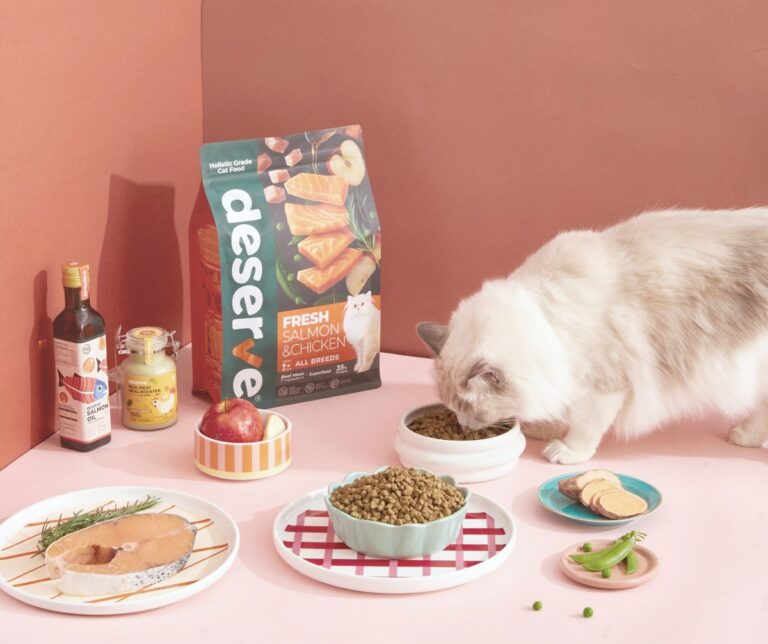
🐟 Fresh Salmon & Chicken
🐠 Fresh Trout & Chicken
Deserve dry dog food
🍗 Grain Free Turkey
🐟 Grain Free Salmon
🥩 Highland Beef & Turkey
Signature Blend recipes
🥩 Grain Free Lamb
🐟 Atlantic White Fish
References
- Washabau RJ, et al. WSAVA International Gastrointestinal Standardization Group. Endoscopic, biopsy, and histopathologic guidelines for the evaluation of gastrointestinal inflammation in companion animals. J Vet Intern Med 2010;24(1):10–26.
- Jergens AE, Heilmann RM. Canine chronic enteropathy—Current state-of-the-art and emerging concepts. Front Vet Sci 2022;9:923013.
- Chronic Enteropathies in Small Animals. Merck Veterinary Manual.
This article is for general information only and does not replace an exam or advice from a vet. If your pet shows unusual signs, please take them to the vet.
Read more: What Your Dog’s Poop Color Says About Their Health · Which Cat or Dog Food Brand Is Best? 7 Checks Before You Choose
🛒 Order Deserve products on this website, or message us on LINE @deserve.petcare
Frequently asked questions
How long does diarrhea have to last in a dog or cat to count as chronic?
When GI signs such as diarrhea or vomiting last about 3 weeks or longer, vets consider them chronic. Take your pet to a vet to find the cause rather than waiting for it to pass.
How is IBD diagnosed in dogs and cats? Is a biopsy needed?
The vet first rules out other causes of GI signs, for example with blood and stool tests, ultrasound and diet trials. Confirming the type of IBD requires intestinal tissue biopsies, taken by endoscope or surgery.
What kind of food should a dog or cat with IBD eat?
Vets often run a diet trial with a novel protein the pet has never eaten, or a hydrolyzed protein diet, fed exclusively for several weeks with no treats during the trial. Let your vet choose the diet and the trial length.
Does a cat with IBD need lifelong care?
Most cats with IBD need long-term management. Some can taper or stop medication under a vet’s guidance, and a cat that responds well to a diet can stay on it. Signs can come back, so keep regular follow-ups with your vet.
References: Merck Veterinary Manual, VCA Animal Hospitals